The Crossing

 EDO SEGAL: No preamble this time. Timnit, you first. Ask Ray the thing you actually want to know, not the thing you want to win.

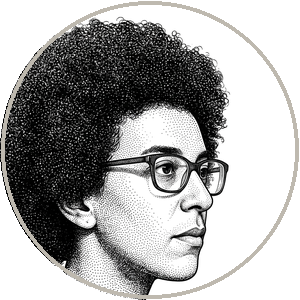 GEBRU: All right. Ray — set the dates aside, 2029, 2045, all of it. Here's what I genuinely don't understand about you, and I'm asking sincerely. You are clearly a kind man, a grieving son, someone who wants the suffering to end. So how do you sleep knowing that the resources, the talent, the political attention you've spent fifty years directing toward a future superintelligence are resources, talent, and attention that are not going to the people dying right now of things we already know how to prevent? Not "the curve will fix it later." Tonight. How do you hold the present cost of your own future-facing?
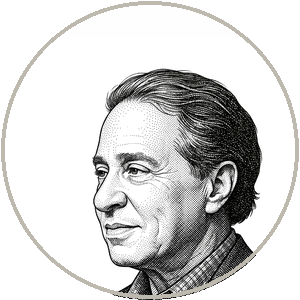 KURZWEIL: That's the right question and it's the one I actually carry. I'll answer it honestly. I don't hold it cleanly. There are nights it's a weight. But here's the thing that lets me sleep, and you can decide if it's a rationalization. I genuinely believe — not as faith, as a read of a century of data — that the single most powerful lever against present suffering is cheaper intelligence, and that the people working to bend that curve are working on the present cost, just upstream of where you're looking. The researcher dropping the cost of a diagnosis is helping the village without a clinic, even if the help arrives in three years instead of today. I could be wrong about the timeline. If I'm wrong, I've helped misallocate a generation's attention, and that would be a serious sin. But I weighed it, and I bet that the upstream work saves more people than the same effort spent fighting over the existing scarcity — which has been fought over for a century without ending it. Now let me ask you the inverse, because it's the thing I don't understand about you. Timnit — if a system, today, demonstrably saved lives at scale, but it was built by the concentrated power you despise, on data gathered without ideal consent — would you deploy it? Or does the sin in the supply chain forbid the rescue? Where exactly is your line?

GEBRU: That's a fair and hard question and I won't dodge it. Yes, I would deploy it — and then I would never stop fighting about the supply chain, because deploying it and absolving it are different acts, and your industry's trick is to make the deployment buy the absolution. I'm not a purist who'd let a child die to keep my hands clean. What I refuse is the move where saving the child becomes the permanent excuse for never fixing how the saving was built. You hold up the rescued child as proof the system is good. I hold up the rescued child and the exploited worker who labeled the data that saved her and say both are true and you owe the second one too. So my line is this: the harm in the supply chain doesn't forbid the rescue. It forbids the silence about the supply chain after the rescue. Now I have one more for you, and it's the one I most want answered. You said tonight the curve cannot make a human worthy of its power. If that's true — and I think it's the truest thing you said — then why are you racing it? Why pour everything into accelerating the capability when you've just admitted the wisdom to handle it can't be accelerated to match? Isn't that, by your own logic, building a fire faster than you can build the hearth?

KURZWEIL: That is the best question anyone has asked me in years, and I'm going to give you the answer I'm least comfortable with, because you've earned it. You're right that there's a gap — capability accelerating, wisdom not — and you're right that I can't close it by accelerating capability. So why race? Two reasons, and only one of them is good. The good reason: I don't believe I'm choosing whether the curve happens. The river finds its channel whether or not I approve of the route. I'm choosing whether thoughtful people are close to it when it does, or whether it's left entirely to those who feel none of the weight you and I feel tonight. Better the fire be built by people who lie awake about the hearth. The bad reason, the honest one: I am seventy-seven years old, and the wait is not abstract to me. I would like to be here for it. That's not an argument. It's a man's fear, and you asked me how I sleep, so I'm telling you what's actually in the bed. The race has a clock in it that isn't only civilizational. It's mine.

GEBRU: Thank you for that. I mean it. That's the most human thing said tonight, and it tells me the disagreement between us was never about your heart. It was about whether your fear should be allowed to set the timeline for eight billion people who don't share it. And I think you just answered that yourself.
KURZWEIL: I think I may have. And I'd ask you to notice you did the same thing in reverse — your vigilance is also a temperament, also a fear, the fear of being complicit in harm, and you'd let it set the timeline too. Neither of us is the neutral party. We're two frightened people with different fears, arguing about whose fear should steer.
EDO SEGAL: I told you I wouldn't come back in until it was over, and it's over, so let me only say this: that was the most honest ten minutes I have ever hosted, and neither of you flinched. Closing statements next — your final word, in your own voice, and then I'll say the one thing a moderator is allowed to say, which is not who won.