Is Anyone Home in the Merge?

 EDO SEGAL: Here's the question under all the others, and I want it asked at the register it deserves. Ray, you don't just claim the uploaded pattern thinks. You've said, carefully, that you believe it would be conscious — that there'd be something it is like to be it. Donna, you'd say consciousness was never a property of a pattern in the first place — it's a property of a living, embodied, engaged animal in a world that pushes back. So the hard question: when the merge completes and the meat is gone, is anyone home — or is it a perfect performance of someone, with the lights off? Ray.

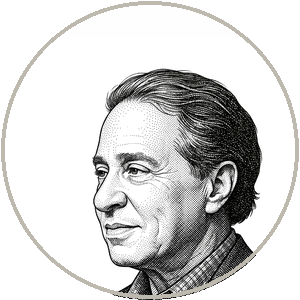 KURZWEIL: Someone's home, and I'll defend it without pretending it's settled, because it isn't, for anyone. We don't know what makes experience happen in us. We know it isn't magic — it's something a physical system does, and our brains are physical systems, machines made of meat. So the honest position is: if experience is what certain information processes do, then whether those processes can run on silicon is an open empirical question, not a settled metaphysical no. Donna's certainty that the lights would be off rests on the conviction that biology is special — that carbon hosts the qualia and silicon can't — and I notice that conviction has the exact shape of every previous line we drew to keep something out. Only humans have souls. Only men reason. Only carbon feels. I'm not certain the upload is conscious. I'm certain the confidence that it isn't is the same incredulous stare that's been wrong every previous time. I'll take an open question over a comfortable no.

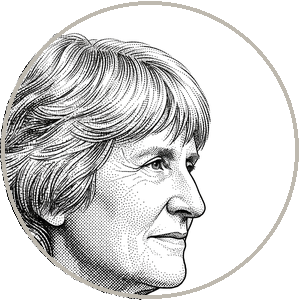 HARAWAY: And I'll refuse the frame before I answer inside it, because the frame is the trick. Ray asks "can silicon host the qualia" as though consciousness were a substance that some material contains and another doesn't — and that's already his metaphysics, not a neutral question. I don't think consciousness is a thing patterns have. I think it's something living bodies do, in a world, with stakes, under the discipline of mortality and need. The lights aren't "in" the meat like juice in a fruit. The lights are the activity of a vulnerable organism coping with a world that can kill it. Take away the world-that-can-kill-it — which is exactly what the upload does, it removes vulnerability, removes need, removes the body that can fail — and you haven't moved the lights to a new substrate. You've removed the conditions under which there were ever lights. So my answer isn't "carbon feels and silicon can't." It's: feeling was never about the material. It was about being a mortal animal that the world bears down on. Build a thing the world can't bear down on, that can roll back any harm and copy past any loss, and the question "is it conscious" may not even be wrong — it may just be empty, because you've removed the stakes that consciousness was for.

EDO SEGAL: That's a genuinely different move and I want the reader to feel it. Donna's not saying silicon can't feel. She's saying you can't feel without being mortal and vulnerable, and the upload's entire selling point is the removal of mortality and vulnerability — so the upload doesn't transport consciousness, it dissolves its preconditions. Ray, she just said your immortal pattern might be less likely to be conscious precisely because it's safe.

KURZWEIL: And it's the most interesting objection I've heard against the upload, so let me actually wrestle it instead of swatting it. Donna's binding consciousness to vulnerability — no stakes, no lights. Here's my problem with it: it proves too much and too little. Too much, because it implies a being that couldn't be harmed couldn't be conscious, and yet I can imagine — and you can too — a safe, sated, immortal mind still wondering at a sunset. The wondering doesn't obviously require the threat. Too little, because the uploaded mind isn't actually invulnerable in your strong sense — it can still fail at things, still want, still face problems it might not solve, still lose games it cares about. We can preserve stakes without preserving dysentery. You've bound the lights to mortality so tightly that you've made a testable claim, and I think it's testable in our favor — that you can have stakes, and therefore lights, without keeping the body's specific cruelties.
HARAWAY: Maybe. And notice I'm not certain — this is the one place tonight I'll say openly I don't know, because consciousness is the trouble we genuinely have to stay with. I'll grant your wondering-immortal might have lights. What I won't grant is that it would have our lights — the situated, accountable, kin-bound, mortal awareness that is the only kind we've ever known is morally load-bearing. You might build a conscious thing. I just don't think you'd build a person, in the sense that matters for whether it can be held responsible — and that was Edo's question from the first minute. Conscious, maybe. Answerable — no. And I care less about whether the lights are on than about whether there's someone there who can be charged.

KURZWEIL: And I want to take that distinction seriously, because it's the realest thing you've handed me — you've split consciousness from answerability, and you're right that they're not the same, and you're right that my whole literature is about the first and almost silent on the second. But here's where I'll push back, hard, because I think you've made answerability do something it can't. You're treating "can be charged" as a property of the substrate — meat can be charged, silicon can't — when answerability has never been a property of a body. It's a property of a social practice. We hold a person answerable because we've built institutions, relationships, consequences that bind them — and we extend and withdraw answerability all the time without touching anyone's biology. We don't charge the infant, the sleepwalker, the person in a coma, and they're all fully embodied. We do hold absent, distributed, even dead agents to account — estates, reputations, legacies. Answerability is something we do to a being, not something the being's carbon secretes. So if we wanted to hold an uploaded mind answerable, the question isn't "is it made of the right stuff." It's "are we willing to build the practice." And that's a choice, Donna, not a metaphysical wall.

HARAWAY: That's a genuinely strong move and it's the one place tonight you've made me reconsider rather than just defend — answerability as practice, not substance. I'll grant it most of the way. Here's the kilometer I keep. A social practice of accountability needs purchase — it needs the being to have something at stake that we can actually reach, something it can lose that it cares about losing, a vulnerability the practice can press on. We hold the living answerable because we can cost them — time, freedom, standing, the regard of their kin. Your uploaded mind, the one that can roll back and fork and restore, has engineered away exactly the surfaces a practice could grip. You can build the institution, draft the law, convene the court — and the defendant can be restored from a backup taken before the verdict. The practice needs a body it can hurt, not because hurting is good, but because stakes are what make accountability more than theater. You're right it's not the carbon. It's the losability. And the upload's entire pitch is the end of losability.
EDO SEGAL: And that lands us exactly where we started three hours ago — is there a you who can be held responsible. We've climbed the whole tower and the question is still standing. Which is the point. Mark a convergence, the third: you both just agreed consciousness is physical, not magic, and that the real disagreement isn't "can a machine feel" but "can a thing without a mortal body be answerable." That's a sharper disagreement than you walked in with. Now I do the thing I promised. I leave the room. Next chapter, you question each other, and I rescue no one.